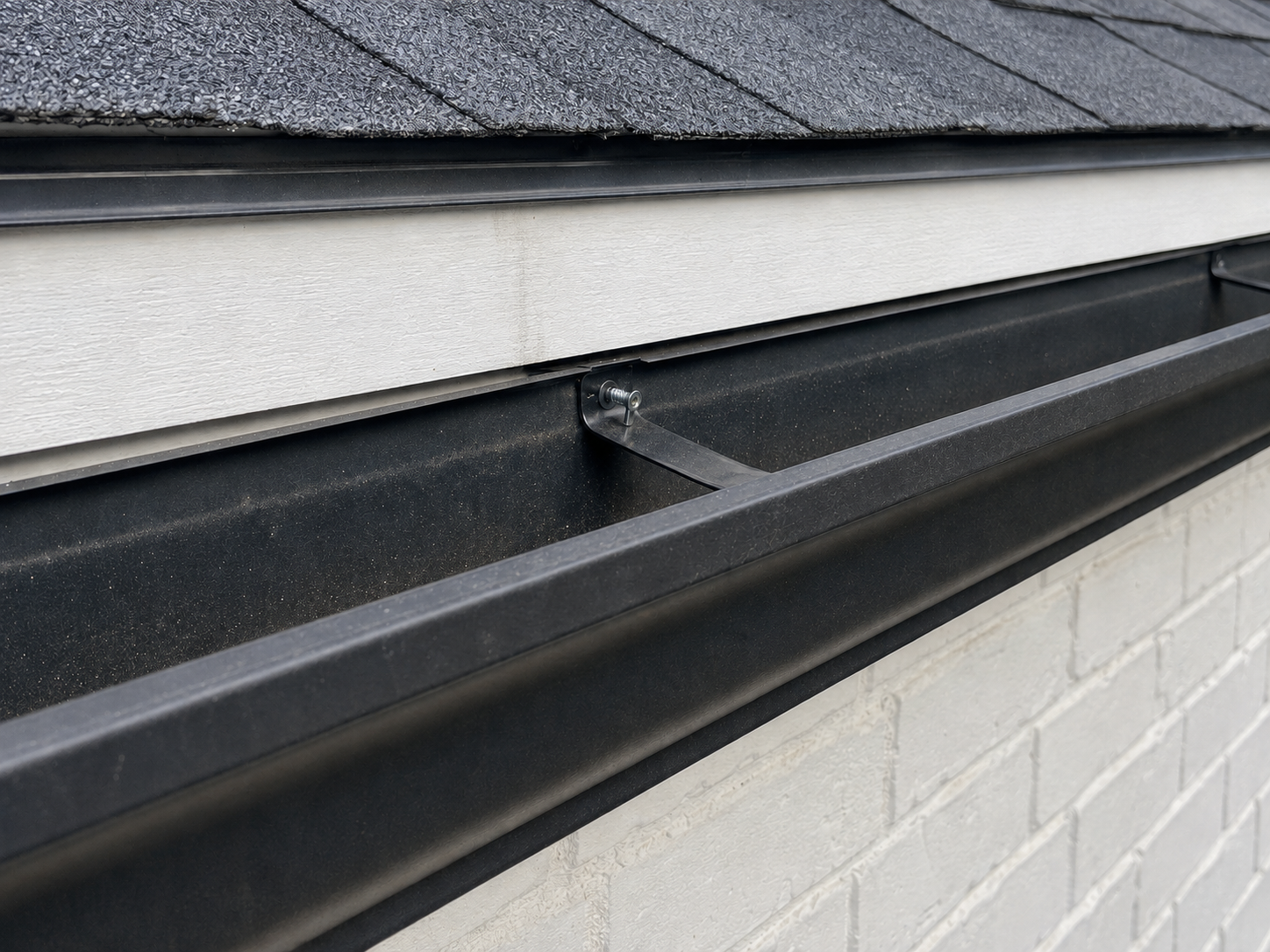
Loose attachment
Re-secure a sound run before movement widens the gap, changes pitch or repeatedly wets the fascia.
North Georgia gutter repair
A focused repair can preserve an otherwise serviceable gutter system. The key is correcting why the water escaped—not simply covering the visible seam or tightening the nearest fastener.
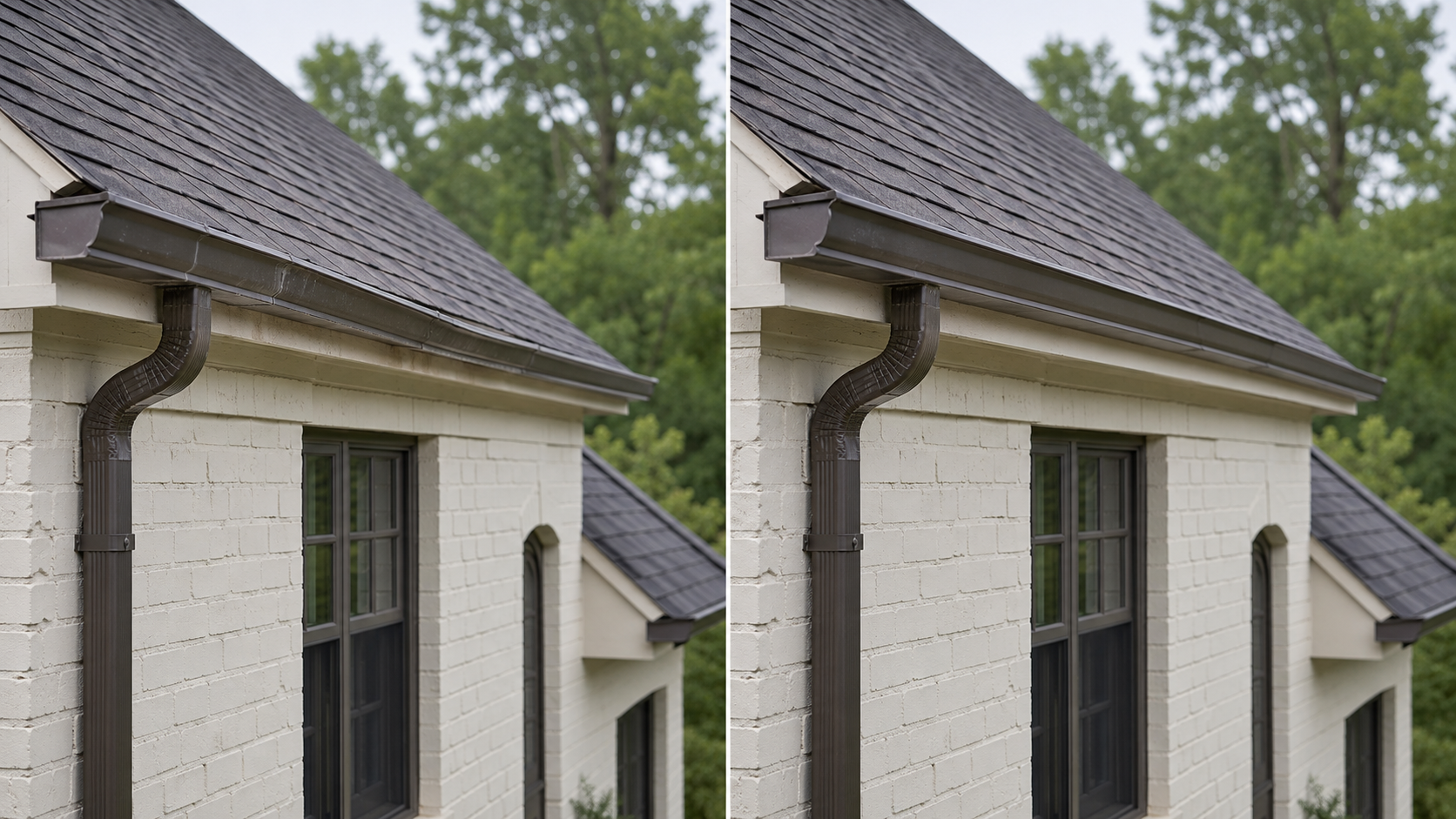
Common repair opportunities
Overflow, staining and standing water can look similar from the ground. Cleaning and inspection expose whether the useful repair is at the attachment, seam, pitch, outlet or discharge path.
Re-secure a sound run before movement widens the gap, changes pitch or repeatedly wets the fascia.
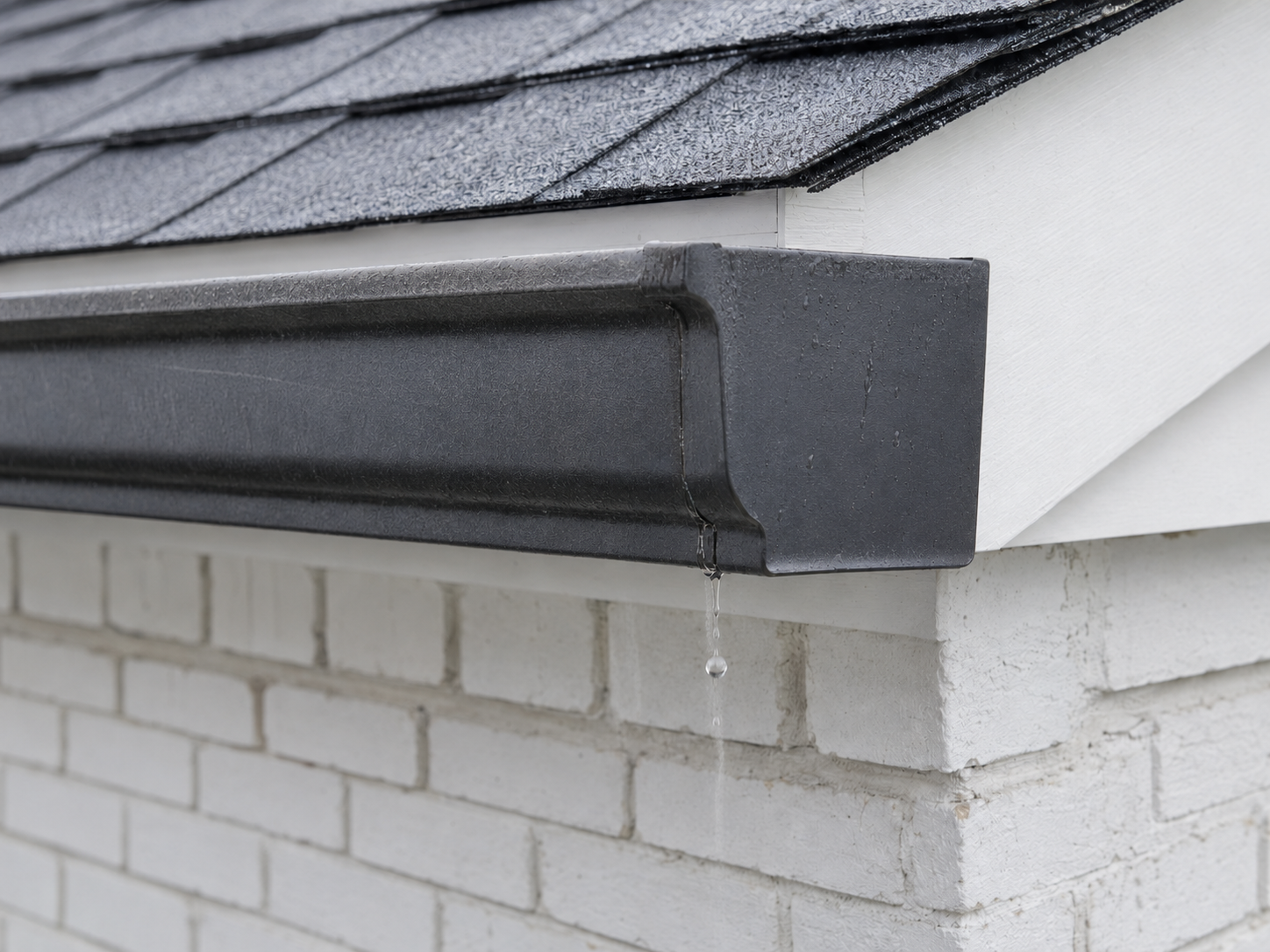
Clean, prepare and reseal a serviceable joint before a small drip creates a persistent wet area below.
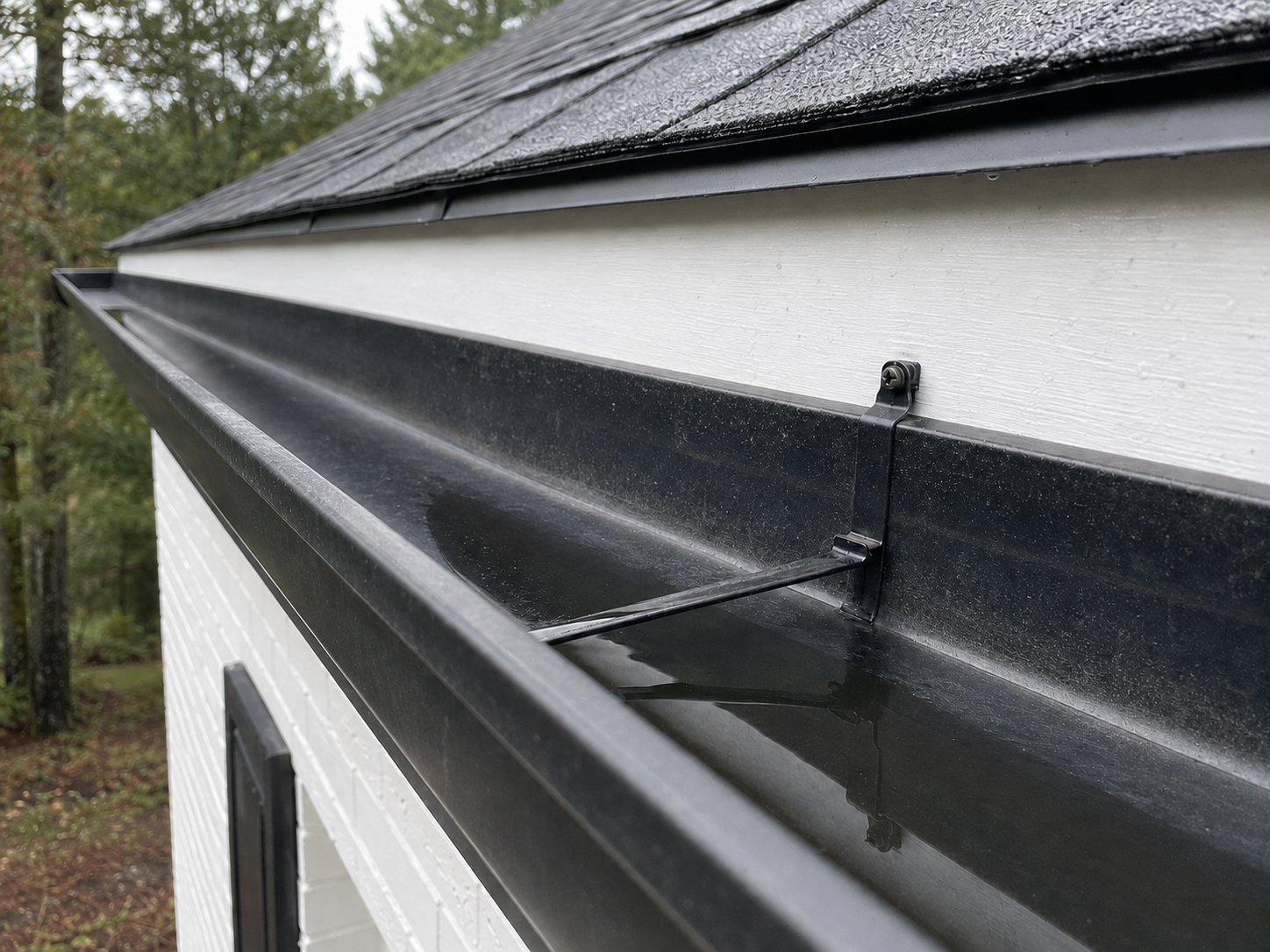
Confirm whether the run can be reset or whether settled fascia, outlet placement or system design is driving the low spot.
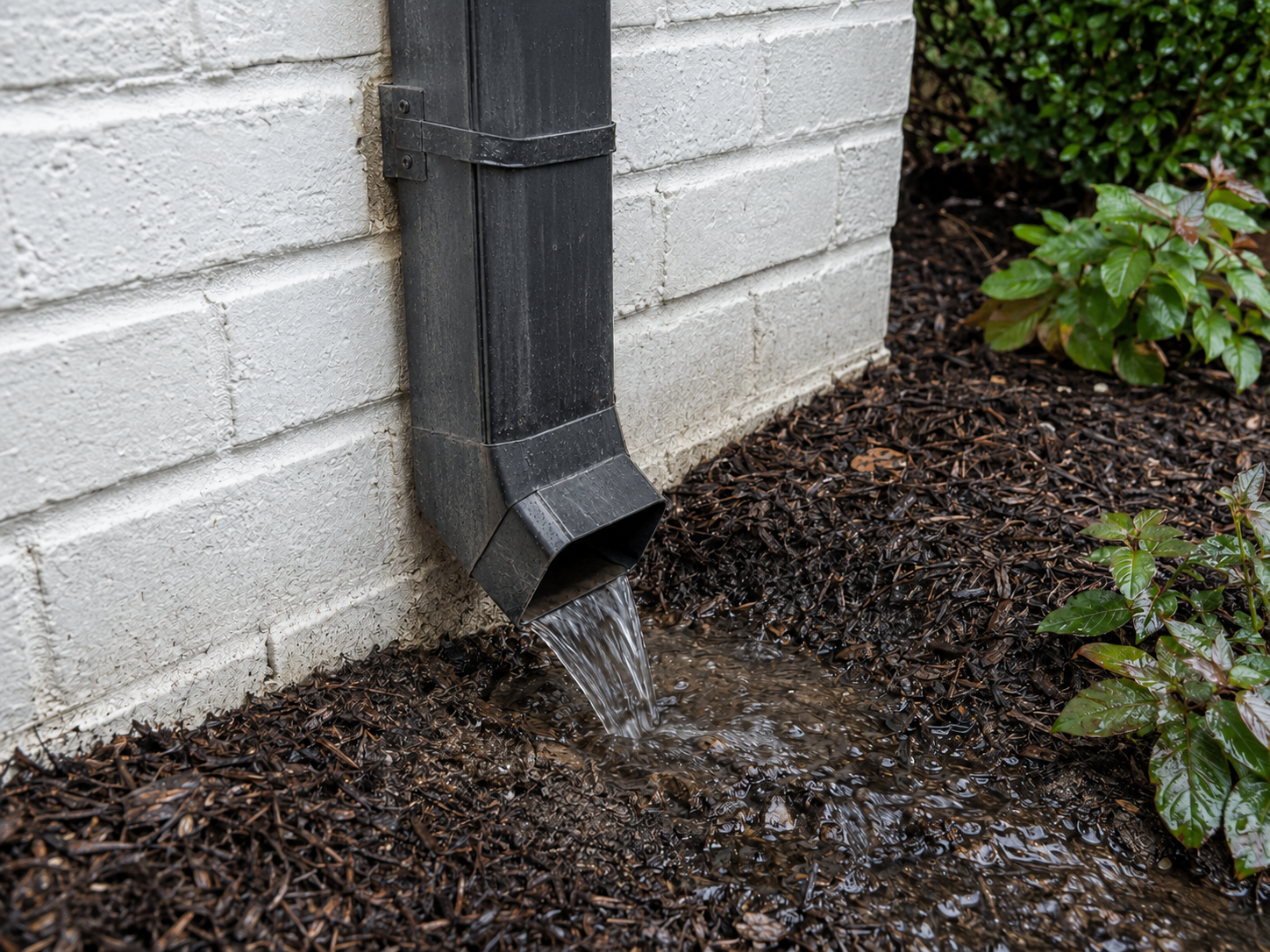
Correct an outlet, elbow or extension so a functioning gutter does not simply move the problem to the foundation.
Why timing matters
Water rarely stays at the first failed fastener or seam. Repeated exposure can travel behind the gutter and into trim, soffit, wall finishes or the soil beside the foundation.
Loose hanger, open seam, low spot or failed elbow.
Staining, paint failure, algae growth or softened fascia.
Wood repair, soffit work, landscape erosion or interior investigation may be added to the scope.
Repair process
The most economical repair is the one that restores the water path without hiding damaged support material or an undersized design.
Clean the trouble area and separate overflow from a leak, loose attachment or low section.
A repair is only as sound as the fascia or framing holding it. Soft or damaged wood changes the scope.
Reset pitch, replace failed hangers, reseal prepared joints or improve the outlet and downspout path.
Controlled flow should reach the outlet without standing water, active leakage or discharge beside the home.
Isolated repairs should be separated from aging conditions that may eventually justify replacement.
Repair or replacement?
Repair usually makes sense when failure is isolated, the metal remains serviceable, fascia support is sound and the existing capacity is appropriate.
Replacement deserves consideration when corrosion or seam failure is widespread, runs repeatedly lose pitch, fascia damage extends across the roofline or the system is poorly sized and routed.
See the replacement guide →Start with the visible clue
Share when it appears, how long it has been happening and whether the gutter was recently cleaned. A local professional can separate a focused repair from a broader system issue.
Request a repair assessment